Transportation and DME Solutions for Quadriplegics
Living with quadriplegia presents unique challenges, particularly when it comes to transportation and accessing durable medical equipment (DME). Individuals with quadriplegia often require specialized solutions to ensure mobility and independence. This blog post explores various transportation options and DME solutions tailored for quadriplegics, providing practical information and resources to enhance their quality of life.
Understanding Quadriplegia
Quadriplegia, also known as tetraplegia, is a condition characterized by the loss of sensation and movement in all four limbs. This condition can result from various causes, including spinal cord injuries, congenital disorders, or diseases such as multiple sclerosis. The impact of quadriplegia extends beyond physical limitations; it affects daily activities, social interactions, and overall quality of life.
The Importance of Transportation
Transportation plays a crucial role in the lives of individuals with quadriplegia. It allows them to access essential services, participate in social activities, and maintain independence. However, traditional vehicles often lack the necessary modifications to accommodate wheelchairs and other mobility aids. Therefore, it is vital to explore accessible transportation options that cater to the needs of quadriplegics.
Accessible Transportation Options
Modified Vehicles
Modified vehicles are specifically designed to accommodate individuals with mobility challenges. These vehicles can include:
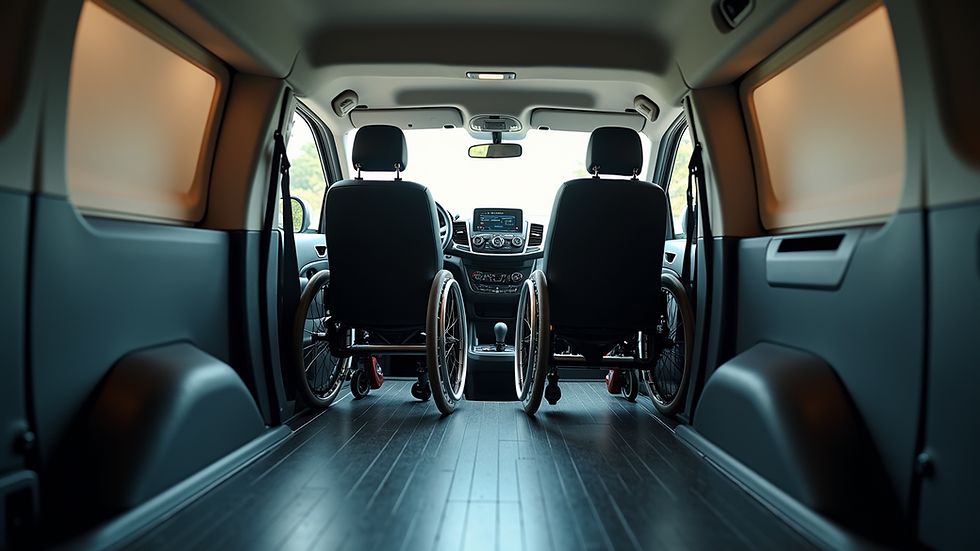
Wheelchair Vans: Equipped with ramps or lifts, these vans allow easy entry and exit for wheelchair users. They often feature spacious interiors to accommodate the wheelchair and the user comfortably.
Hand-Controlled Vehicles: For individuals who can drive but have limited use of their hands, hand controls can be installed in vehicles. These controls allow for safe operation without the need for foot pedals.
Ride-Sharing Services: Many ride-sharing companies now offer accessible vehicles. These services can be a convenient option for those who do not own a modified vehicle.
Public Transportation
Public transportation systems are increasingly becoming more accessible. Many cities have implemented features such as:
Low-Floor Buses: These buses have a lower entrance, making it easier for wheelchair users to board.
Accessible Trains and Subways: Many train stations are equipped with elevators and ramps, allowing for easier access.
Paratransit Services: Some regions offer paratransit services, which provide door-to-door transportation for individuals with disabilities.
Community Resources
Local organizations often provide transportation services for individuals with disabilities. These services may include:
Volunteer Driver Programs: Many communities have volunteer programs where individuals offer rides to those in need.
Non-Profit Organizations: Some non-profits focus on providing transportation solutions for individuals with disabilities, often at little or no cost.
Durable Medical Equipment (DME) Solutions
In addition to transportation, individuals with quadriplegia require various types of durable medical equipment to enhance their daily living. DME can include:
Wheelchairs
Manual Wheelchairs: These are propelled by the user or an attendant. They are lightweight and can be easily transported.
Power Wheelchairs: For individuals who may have limited upper body strength, power wheelchairs provide greater independence and mobility.
Adaptive Aids
Transfer Aids: Devices such as transfer boards or lifts can assist in moving from a wheelchair to a bed or other surfaces safely.
Seating Systems: Specialized seating systems can provide comfort and support, reducing the risk of pressure sores.
Home Modifications
Ramps: Installing ramps at home can facilitate easier access for wheelchair users.
Grab Bars: These can be installed in bathrooms and other areas to provide support and stability.
Funding and Resources
Navigating the financial aspects of transportation and DME can be daunting. Here are some resources that may help:
Insurance Coverage
Many insurance plans cover certain types of DME and modifications. It is essential to check with your provider to understand what is covered.
Government Programs
Programs such as Medicaid and Medicare may offer assistance for individuals with disabilities. These programs can help cover the costs of necessary equipment and modifications.
Non-Profit Organizations
Various non-profit organizations provide grants or funding for individuals with disabilities. Research local and national organizations that may offer financial assistance.
Conclusion
Transportation and durable medical equipment solutions are vital for individuals with quadriplegia. By exploring modified vehicles, accessible public transportation, and various DME options, individuals can enhance their independence and improve their quality of life. It is essential to utilize available resources and support systems to navigate the challenges that come with quadriplegia.
For those living with this condition, the journey may be challenging, but with the right tools and support, it is possible to lead a fulfilling and active life. Take the next step by exploring local resources and advocating for your needs.


Comments